Back in the day as a primary teacher with a specialist teaching service, I took my turn leading school assemblies – by myself on a regular basis in small, single age-group assemblies, and to a hall packed with adults and children in the whole-school weekly assembly about twice a year. A colloquial name for the latter was ‘class assemblies’, it being expected that class teachers would get their pupils involved, acting out a story they’d been studying, perhaps, or doing a quick show and tell of recent work.
These were problematical for me as a support teacher without a class of my own, and I went to great lengths to put together something that was interesting, delivered easily without an assistant and which took the minimum of practice from the handful of children I was able to borrow from across the school – generally those happy to give up a lunchtime to rehearse for Mrs Mott. This included my own two offspring, who can’t exactly be described as either happy or willing, but had the disadvantage of living in the same house as me and thereby bullyable – or bribable, to be more correct.
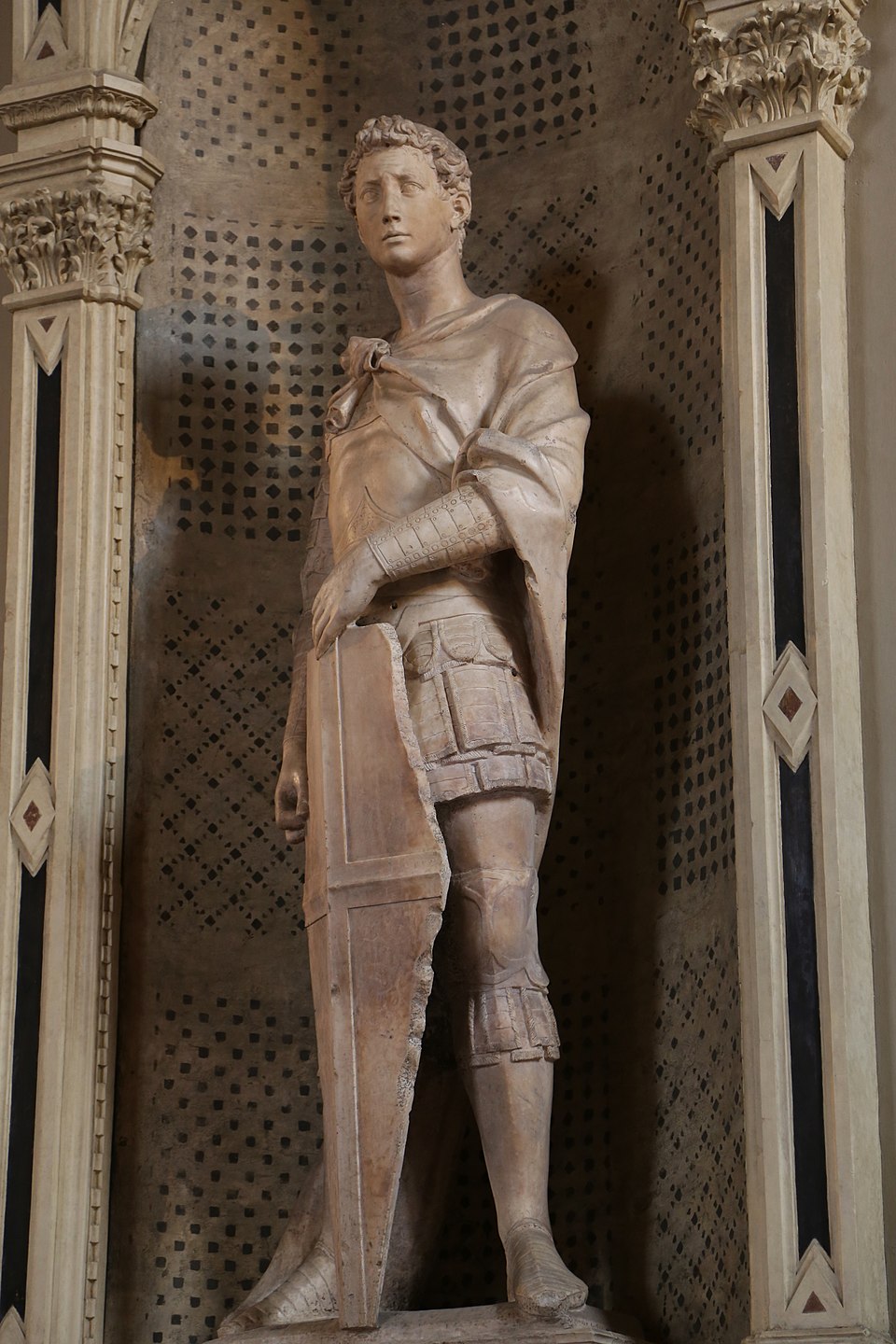
Anyway, I remember well the assembly I put together for St George’s Day, once, which took very few children to deliver and emphasised the fact that George was born in Cappadocia, in what is now modern-day Turkey. Which prompted a young girl to exclaim as she was leaving the hall, ‘Well, I didn’t know that, Mrs Mott. Who’d have thought St George was a Muslim!’
(I’ve since found out this can’t actually be true, given that Islam didn’t emerge until the 7th century, though taken at face value and using modern reference points as she did, it was a fair assumption. What is true is that George is venerated in parts of the Middle East by both Christians and Muslims – and that stories travel and change, depending on who’s telling them.)
Discover more from Alison Mott
Subscribe to get the latest posts sent to your email.

