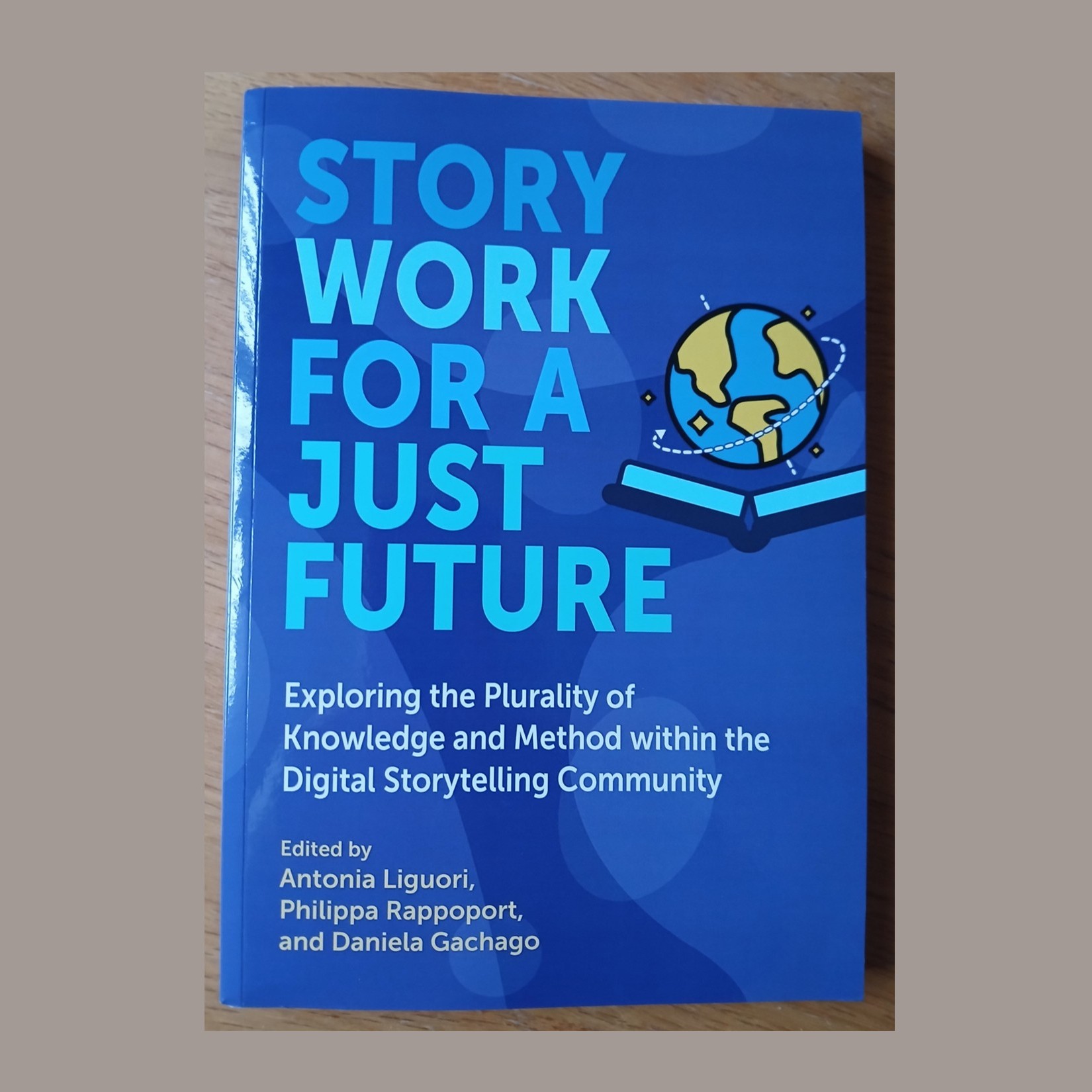
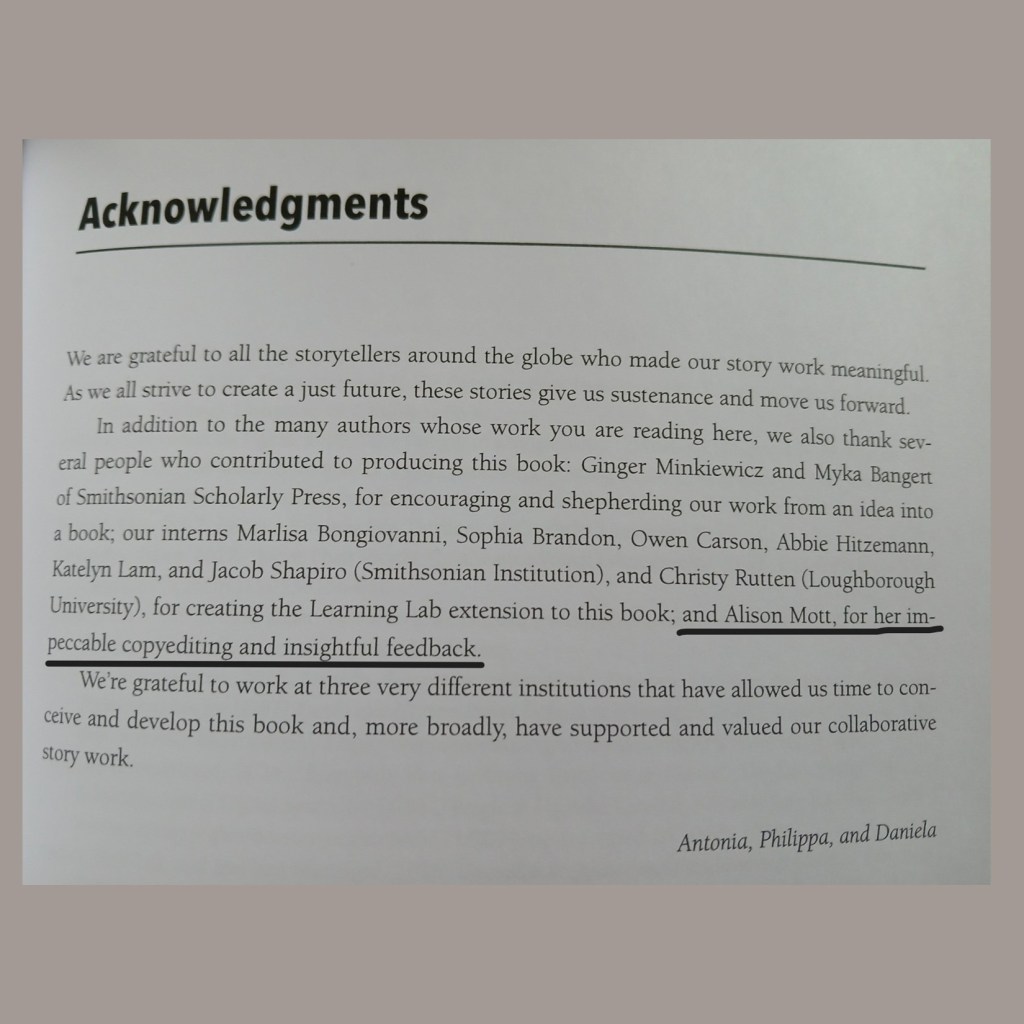
This beautiful thing dropped through my letterbox on Friday morning. Inside, a short, affirming comment from those who commissioned me to edit this book two years or so ago.
That commission – offered by a wonderful friend – arrived at a point when I felt very low, both mentally and professionally. A point where my confidence had taken a knock and I was doubting my own judgement about the creative path I’d chosen.
The work, if I was brave enough to accept it, would force me to challenge my fears and doubts.
I’ve edited people’s books and my own writing projects for years. But this felt different – an academic text for an internationally respected institution. My immediate response was, ‘Are you sure?’
In story-world, that’s ‘the refusal of the call’. It’s not an unusual question to be asking – aloud in reality or quietly in your own head; not for me and not, in my experience, for many people, women particularly.
The response: ‘Your blend of skills and experience means you’re exactly the right person to do it.’
I was a little taken aback by that. But coming from someone I respect and trust, it left me little choice but to say, ‘Okay, then,’ and get on with it. I worried all the way through, though, the continual over-thinking creating something of a dark night of the soul.
There were tests and trials along the way, too – the bureaucratic minefield of registering with the US government so the Smithsonian could pay me, for one.
But the work got done, the book was published, and last Friday my copy popped through the door. A Return with the Elixir, perhaps, in storytelling terms?
I’m over-killing the story metaphors here, I know, and if you follow me much on social media you’ll know I repeat this particular redemption arc quite often – different details, but the same plot:
‘I didn’t think I could do it but then I found I could.’
Sociologist and story theorist Arthur Frank argues that us humans use ’emplotment’ to make sense of our lives, mapping the things that happen to us onto story patterns we know from books and screen.
In hindsight, my greatest obstacle wasn’t the editing work itself but the story I was telling myself about whether I could do it. A story familiar to a much younger Alison, who left school at sixteen believing university wasn’t a place for girls like her. She still finds all this faintly unbelievable.
The truth is, the plot I’ve spent my life mackling my story onto is outdated. Adult Alison is getting better at changing it, though.
And thankfully, Little Alison is quickly catching up.
Discover more from Alison Mott
Subscribe to get the latest posts sent to your email.

